
Blood in Urine (Haematuria): Causes, Diagnosis, and Treatment
Hello Reader!
Welcome to the blog page of Dr Suman Sahoo, the best Uro Oncologist in Medinipur.
Seeing blood in urine can be alarming and stressful for anyone. Medically known as haematuria, this condition may appear as pink, red, or cola-colored urine, or sometimes it may only be detected through laboratory tests. While in some cases the cause may be minor, blood in urine can also indicate serious underlying urinary tract or kidney conditions that require immediate medical attention.
As the best Uro Oncologist in Medinipur, Dr Suman Sahoo believes that early diagnosis and timely treatment of blood in urine can help prevent complications and improve outcomes, especially when the condition is linked to urinary tract cancers or severe infections.

What is Haematuria?
Haematuria refers to the presence of red blood cells in the urine. There are two main types:
1. Gross Haematuria
In this condition, the blood is visible to the naked eye. The urine may appear red, pink, or brownish.
2. Microscopic Haematuria
Here, blood is not visible but is detected under a microscope during a urine examination.
Both forms of blood in urine should never be ignored, especially if they occur repeatedly or are associated with pain, fever, or urinary difficulties.
Common Causes of Blood in Urine
There are several possible reasons behind blood in urine, ranging from infections to cancers. Proper medical evaluation is necessary to identify the exact cause.
Urinary Tract Infection (UTI)
UTIs are one of the most common causes of haematuria. Bacteria enter the urinary tract and cause inflammation, leading to symptoms such as:
- Burning sensation during urination
- Frequent urge to urinate
- Lower abdominal pain
- Cloudy or foul-smelling urine
Kidney Stones
Kidney or bladder stones can irritate the lining of the urinary tract and cause bleeding. Patients may experience:
- Severe flank pain
- Pain radiating to the groin
- Nausea and vomiting
- Blood in urine
Enlarged Prostate
In older men, enlargement of the prostate gland can obstruct urine flow and result in haematuria.
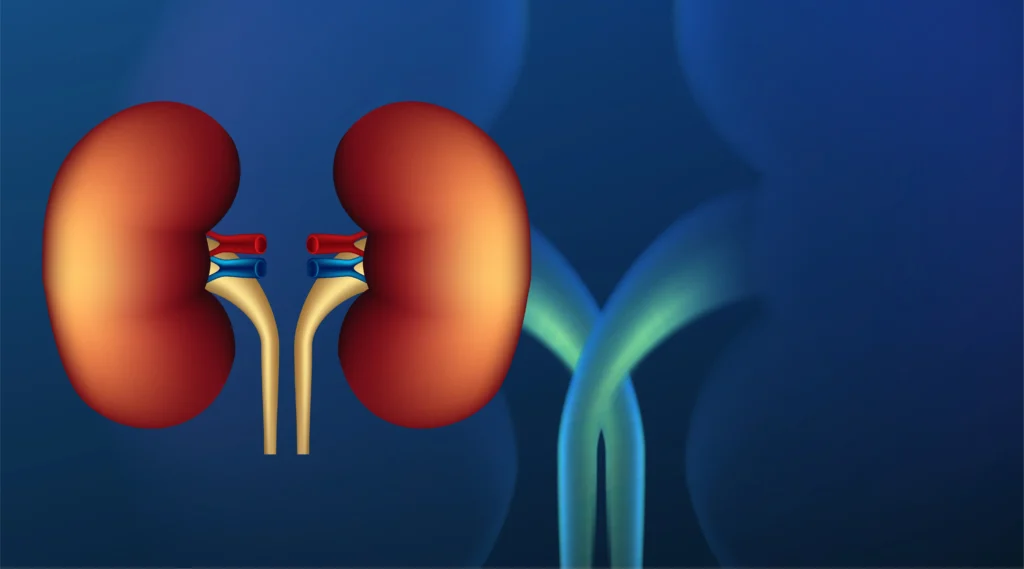
Kidney Diseases
Conditions such as glomerulonephritis and chronic kidney disease may cause microscopic or visible blood in urine.
Urinary Tract Injuries
Any trauma to the kidneys, bladder, or urethra can lead to bleeding in urine.
Certain Medications
Blood thinners and some medications may increase the risk of urinary bleeding.
Cancer of the Urinary Tract
One of the most important causes of persistent blood in urine is cancer involving the kidneys, bladder, prostate, or urinary tract. This is why consulting the best Uro Oncologist in Medinipur is essential when haematuria occurs repeatedly or without obvious reason.

Risk Factors for Haematuria
Some people are at a higher risk of developing haematuria due to lifestyle or medical conditions.
Smoking
Smoking significantly increases the risk of bladder and kidney cancers.
Age
Older adults are more prone to urinary tract cancers and prostate enlargement.
Family History
A family history of kidney disease or urinary tract cancers increases risk.
Dehydration
Inadequate water intake can contribute to stone formation and urinary infections.
Strenuous Exercise
Heavy exercise may sometimes cause temporary blood in the urine.
Symptoms Associated with Blood in Urine
The symptoms vary depending on the underlying cause. Some common accompanying signs include:
- Pain during urination
- Fever and chills
- Frequent urination
- Lower back pain
- Abdominal pain
- Weight loss
- Fatigue
- Difficulty passing urine
If blood in urine is accompanied by severe pain or clots, immediate medical consultation is recommended.
When Should You See a Doctor?
Many people ignore haematuria, assuming it will resolve on its own. However, early evaluation is extremely important.
Consult the best Uro Oncologist in Medinipur if you notice:
- Repeated episodes of blood in urine
- Painful urination
- Unexplained weight loss
- Persistent urinary symptoms
- Fever with urinary complaints
- History of smoking
- Family history of urinary cancers
Early detection can help identify serious diseases at a treatable stage.

Diagnosis of Blood in Urine
Proper diagnosis helps determine the exact cause of haematuria and guides treatment.
Medical History and Physical Examination
The doctor evaluates symptoms, lifestyle habits, medication use, and family history.
Urine Examination
Urine tests help detect:
- Red blood cells
- Infection
- Protein
- Cancerous cells
Blood Tests
Blood investigations assess kidney function and detect infections or other abnormalities.
Imaging Tests
Advanced imaging techniques may include:
- Ultrasound
- CT scan
- MRI scan
These tests help identify tumors, stones, or structural abnormalities.
Cystoscopy
In this procedure, a thin camera is inserted through the urethra to examine the bladder and urinary tract directly.
As the best Uro Oncologist in Medinipur, Dr. Suman Sahoo uses advanced diagnostic approaches to accurately identify the cause of blood in urine and provide personalized treatment plans.

Treatment for Blood in Urine
Treatment depends entirely on the underlying cause.
Antibiotics for Infections
UTIs are treated with suitable antibiotics and hydration.
Medications
Certain medications may help control inflammation, enlarged prostate, or kidney-related issues.
Stone Management
Kidney stones may require:
- Increased fluid intake
- Pain management
- Laser treatment
- Surgical removal
Cancer Treatment
If haematuria is caused by cancer, treatment may involve:
- Surgery
- Chemotherapy
- Immunotherapy
- Radiation therapy
Timely consultation with the best Uro Oncologist in Medinipur can greatly improve cancer treatment outcomes.
Lifestyle Changes
Patients may also be advised to:
- Drink adequate water
- Avoid smoking
- Reduce salt intake
- Maintain proper hygiene
- Follow a healthy diet

Can Blood in Urine Be Prevented?
While not all causes can be prevented, certain measures can lower the risk.
Stay Hydrated
Adequate water intake helps flush the urinary system.
Avoid Smoking
Smoking is strongly linked to bladder and kidney cancers.
Maintain Good Hygiene
This reduces the risk of infections.
Regular Health Checkups
Routine screenings help detect urinary conditions early.
Manage Chronic Diseases
Control diabetes and high blood pressure to protect kidney health.
Risk factors for blood in urine in smokers
Smoking significantly increases the risk of blood in urine (haematuria), mainly because it strongly damages the bladder and urinary tract lining and raises the chance of bladder and kidney cancer. Current and former smokers are at higher risk than non‑smokers, especially if they are over 40–50 years old.
Key risk factors for blood in urine in smokers
- Bladder cancer risk
Smoking is the single most important risk factor for bladder cancer, raising the risk by about 2–4 times (and up to 10 times with heavy, long‑term smoking).
Haematuria is the most common early sign of bladder cancer, so any episode of blood in urine in a smoker should be considered “high‑risk” and must be investigated promptly. - Duration and intensity of smoking
The longer and more heavily a person has smoked, the greater the cumulative damage to the bladder lining from tobacco‑derived carcinogens filtered through the kidneys and concentrated in urine.
Studies show that heavy smokers have a higher prevalence of dipstick haematuria (microscopic blood in urine) than light or ex‑smokers. - Age and gender
Men over 50 who smoke are at particularly high risk for bladder‑cancer‑related blood in urine because age itself is an independent risk factor.
In older men with gross or recurrent haematuria, about 30% of cases may be due to bladder or other urological cancers, and smoking greatly amplifies this risk. - Chemical exposure and other habits
Smokers who also work with industrial chemicals (e.g., dyes, paints, rubber, leather) or have had pelvic radiation have an even higher risk of urinary‑tract cancers and associated blood in urine.
Chronic urinary‑tract infections or long‑standing urinary stasis (e.g., from enlarged prostate) can add to the irritation caused by smoking‑related toxins, making microscopic or visible haematuria more likely. - Persistent low‑grade inflammation
Toxic compounds in cigarette smoke (such as aromatic amines, polycyclic aromatic hydrocarbons, and nitrosamines) are excreted in urine and repeatedly bathe the bladder mucosa, causing chronic inflammation and cellular damage that can lead to cancer and bleeding.
This is why some smokers show more frequent proteinuria, haematuria, and high urine acidity even when no obvious stone or infection is present.
Practical advice for smokers
- Any episode of blood in urine in a smoker should be treated as a red‑flag symptom and evaluated by a urologist or uro‑oncologist, especially after age 40–50.
- Quitting smoking is the single most effective step to reduce future risk of bladder cancer and recurrent haematuria, even for long‑term smokers.
If you are a smoker in Medinipur and notice blood in urine, it is important to contact a specialist uro‑oncologist early, as early diagnosis can prevent advanced disease and improve outcomes.
Hematuria and bladder cancer symptoms
Hematuria (blood in urine) is the most common symptom of bladder cancer, and it often appears before any other clear signs. In many people, bladder cancer is detected early simply because they notice a change in their urine colour or have a routine urine test showing blood.
How hematuria appears in bladder cancer
- Visible (gross) hematuria
The urine may look pink, red, orange, or dark brown, though the colour can come and go and may not be present every day.
The bleeding is usually painless and intermittent, which can mislead patients into thinking it has “resolved” on its own. - Microscopic hematuria
Sometimes the blood is only visible under a microscope in a urine test, with no obvious change in colour. This is still an important warning sign, especially in older adults or smokers.
Also Read: Surgical Options for Kidney Cancer: Partial vs. Radical Nephrectomy
Other bladder‑cancer‑related urinary symptoms
In addition to or sometimes instead of blood in urine, bladder cancer can cause:
- Irritative urinary symptoms
- Needing to urinate more often than usual (frequency).
- Sudden, strong urge to urinate (urgency), sometimes with leakage.
- Burning or pain during urination, which can mimic a urinary‑tract infection.
- Changes in urine flow and habits
- Waking up several times at night to pass urine (nocturia).
- Feeling as if the bladder does not empty fully, or a weak or interrupted stream.
- Symptoms of advanced disease
If bladder cancer has grown large or spread beyond the bladder, patients may notice:- Inability to pass urine (acute urinary retention).
- Persistent pain in the lower abdomen, one side of the back, or pelvis.
- Unexplained weight loss, severe fatigue, loss of appetite, or swelling in the legs/feet.
Important points for patients
- Hematuria from bladder cancer is often painless, so pain should not be required before you seek help.
- Many of these symptoms can also occur with benign conditions like UTIs, stones, or prostate enlargement, but that does not mean they should be ignored—any persistent or recurrent blood in urine warrants evaluation by a urologist or uro‑oncologist.
If you are a smoker or over 40–50 and notice blood in urine, even if it comes and goes, it is important to contact a specialist early, as early‑stage bladder cancer has a much better chance of successful treatment.
Importance of Early Diagnosis
Ignoring blood in urine can delay the diagnosis of serious conditions like bladder cancer or kidney disease. Early medical attention allows faster treatment and better recovery.
Patients often overlook microscopic haematuria because it does not produce visible symptoms. Regular health checkups and urine tests are therefore important, especially for high-risk individuals.
As the best Uro Oncologist in Medinipur, Dr. Suman Sahoo emphasizes that no episode of unexplained haematuria should be neglected.

FAQs
1. What does blood in urine indicate?
Blood in urine, also known as haematuria, may indicate infections, kidney stones, enlarged prostate, kidney disease, or even urinary tract cancers. Proper medical evaluation is important to identify the exact cause.
2. Is blood in urine always serious?
Not always, but it should never be ignored. Sometimes it may occur due to minor infections or exercise, while in other cases it can signal serious conditions like bladder or kidney cancer.
3. How is haematuria diagnosed?
Doctors usually diagnose haematuria through urine tests, blood tests, ultrasound, CT scans, and sometimes cystoscopy to examine the urinary tract and bladder.
4. What treatments are available for blood in urine?
Treatment depends on the underlying cause and may include antibiotics for infections, medications, stone removal procedures, or cancer treatments such as surgery and chemotherapy.
5. When should I consult a uro-oncologist for blood in urine?
You should consult a specialist if the blood in urine is persistent, recurrent, painless, or associated with symptoms like pain, fever, weight loss, or difficulty urinating. Early diagnosis can help prevent complications.
Conclusion
Blood in urine is not a disease itself but a warning sign that something may be wrong within the urinary system. From simple infections to serious cancers, haematuria can have multiple causes that require expert evaluation and care.
If you or your loved one notices persistent or recurrent blood in urine, seeking timely consultation is essential. Early diagnosis, proper investigation, and specialized treatment can help prevent complications and ensure better urinary health.
For expert diagnosis and advanced treatment options, consult Dr. Suman Sahoo, recognized as the best Uro Oncologist in Medinipur, for comprehensive uro-oncology care and compassionate patient support.