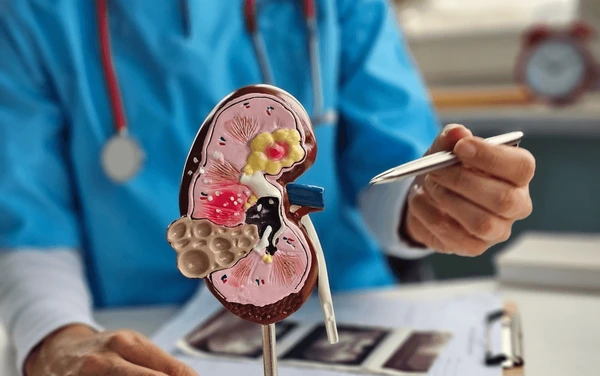
Which foods reduce kidney stones
Discover which foods reduce kidney stones naturally and how a balanced diet can support kidney health. Expert insights shared by a reputed Uro Oncologist, Dr Suman Sahoo.
Kidney stones are more common than you might think. They occur when certain minerals and salts build up inside your kidneys, forming hard, crystal-like deposits. These stones can cause severe pain, discomfort, and even affect kidney function if not managed properly. The good news is that your diet plays a significant role in preventing and managing this condition. By making mindful food choices, you can naturally reduce the risk and frequency of stone formation.
Let’s understand how to reduce kidney stones through smart dietary habits and a deeper understanding of what triggers them.
Understanding Kidney Stones and Their Causes
Before diving into food choices, it’s essential to know what causes these stones in the first place. Kidney stones form when your urine contains high levels of substances like calcium, oxalate, and uric acid—substances that can crystallize and stick together.
Some common reasons include:
- Low water intake – Dehydration leads to concentrated urine, which allows minerals to clump.
- High sodium diet – Excessive salt increases calcium in urine, encouraging stone formation.
- Too much animal protein – Can raise uric acid levels, leading to certain types of stones.
- Oxalate-rich foods in excess – Foods like spinach, beets, and nuts can contribute if eaten in large amounts.
- Genetic factors or existing health conditions – Such as obesity, gout, or urinary tract infections.
Understanding these causes helps you tailor your diet effectively to reduce kidney stones and improve urinary health.
The Role of Diet in Kidney Stone Prevention
Your kidneys act as natural filters for your body, and the foods you consume directly influence their health. By adopting a kidney-friendly diet, you help maintain a proper balance of minerals and fluids, which prevents crystal formation.
Here’s how your food choices impact stone risk:
- Hydration keeps urine diluted, lowering mineral buildup.
- Lower sodium intake prevents excessive calcium loss.
- Adequate calcium intake (from food, not supplements) helps bind oxalate in the intestines.
- More plant-based foods means lower acid levels in the urine.
Let’s take a closer look at the specific foods that can naturally reduce kidney stones.

Best Foods to Reduce Kidney Stones Naturally
1. Water and Citrus Fruits
- Drink plenty of water – Staying hydrated is the number one way to prevent stone formation. Aim for 2.5 to 3 liters a day.
- Citrus fruits like lemons, oranges, and limes are rich in citrate, which prevents calcium from binding with oxalate.
- Start your morning with lemon water to increase urinary citrate levels.
2. Calcium-Rich Foods (But Not Supplements)
- Many believe avoiding calcium helps, but the opposite is true.
- Foods like milk, yogurt, paneer, and leafy greens provide natural calcium that binds oxalate in the gut.
- Avoid calcium supplements unless prescribed, as they may increase stone risk.
3. Magnesium and Potassium Sources
- Magnesium prevents oxalate from crystallizing with calcium.
- Bananas, avocados, beans, and potatoes are excellent sources.
- A potassium-rich diet also helps balance urinary minerals.
4. Plant-Based Proteins
- Replace red meat with lentils, beans, and tofu to lower uric acid production.
- High animal protein diets increase acid in the urine, encouraging stone formation.
- Moderation is key if you consume meat—try limiting to twice a week.
5. Whole Grains and Fiber
- Oats, brown rice, and barley help manage insulin sensitivity, which indirectly supports kidney health.
- Dietary fiber binds calcium and oxalate in the digestive system, preventing absorption into the bloodstream.
6. Low-Oxalate Vegetables
Some vegetables contain oxalates, which can contribute to stones if consumed excessively. Instead, choose:
- Cabbage, cauliflower, peas, and cucumbers over spinach and beets.
- If you enjoy oxalate-rich foods, pair them with calcium sources (like yogurt) to neutralize their effect.
7. Healthy Fluids Beyond Water
- Coconut water supports hydration and mineral balance.
- Herbal teas like dandelion or nettle tea act as natural diuretics, helping flush out toxins.
- Avoid sugary drinks and sodas—they can increase uric acid levels.
Foods to Limit or Avoid
While focusing on what to eat, it’s equally important to know what to limit to reduce kidney stones.
- Salty foods – Processed snacks, pickles, and fast food.
- Oxalate-rich foods – Spinach, almonds, rhubarb, and chocolate in large quantities.
- Animal protein – Especially red meat, organ meats, and shellfish.
- Sugary beverages – Soda and artificial fruit juices.
- Caffeine in excess – Can cause dehydration.
Balance is key—moderation and mindful eating can go a long way in protecting your kidneys.

Lifestyle Habits That Support Kidney Health
Beyond food, your lifestyle also determines your kidney wellness.
- Stay physically active – Regular exercise supports better metabolism and mineral balance.
- Monitor salt intake – Keep it under 2,300 mg daily.
- Maintain a healthy weight – Obesity can lead to metabolic issues that promote stone formation.
- Limit alcohol consumption – Alcohol can dehydrate the body.
- Don’t skip regular checkups – Early detection prevents complications.
Adopting these habits not only helps reduce kidney stones but also promotes long-term urinary and metabolic health.
Signs You Might Need Professional Advice
If you frequently experience:
- Sharp pain in the back or sides
- Blood in the urine
- Nausea or vomiting
- Frequent urinary infections
- Discomfort during urination
…it’s time to seek medical guidance. These may indicate active kidney stones or other underlying urological issues that require attention.
In such cases, consulting an experienced specialist—like Dr Suman Sahoo, the Best Uro Oncologist in Bhubaneshwar—can ensure the right diagnosis, treatment, and dietary planning.

FAQs
Q1. Can drinking more water really prevent kidney stones?
Yes. Hydration is crucial because it dilutes urine, reducing the concentration of minerals that form stones.
Q2. Is milk safe for kidney stone patients?
Yes, milk provides natural calcium that binds with oxalate in the intestines, preventing stone formation.
Q3. Are all kidney stones caused by calcium?
No. Some are caused by uric acid or cystine buildup, which have different dietary triggers.
Q4. Can lemon water help dissolve stones?
Lemon water increases citrate levels, which can prevent stone formation and, in some cases, help dissolve small stones.
Q5. How often should I check my kidney health?
If you have a history of stones, yearly checkups are recommended. Otherwise, regular screenings every two years are ideal.
Nourish Your Kidneys, Protect Your Future
Your diet is one of the most powerful tools you have to prevent kidney stones naturally. Making small, consistent changes—like drinking enough water, eating calcium-rich foods, and limiting sodium—can make a world of difference.
If you experience recurring symptoms or want a personalized plan tailored to your health, expert guidance from a trusted urology specialist such as Dr. Suman Sahoo can provide clarity and effective care.
Healthy kidneys mean a healthier life—start with your plate today.
Recent Posts


Should You Get a PSA Test Before It’s Too Late?
February 24, 2026