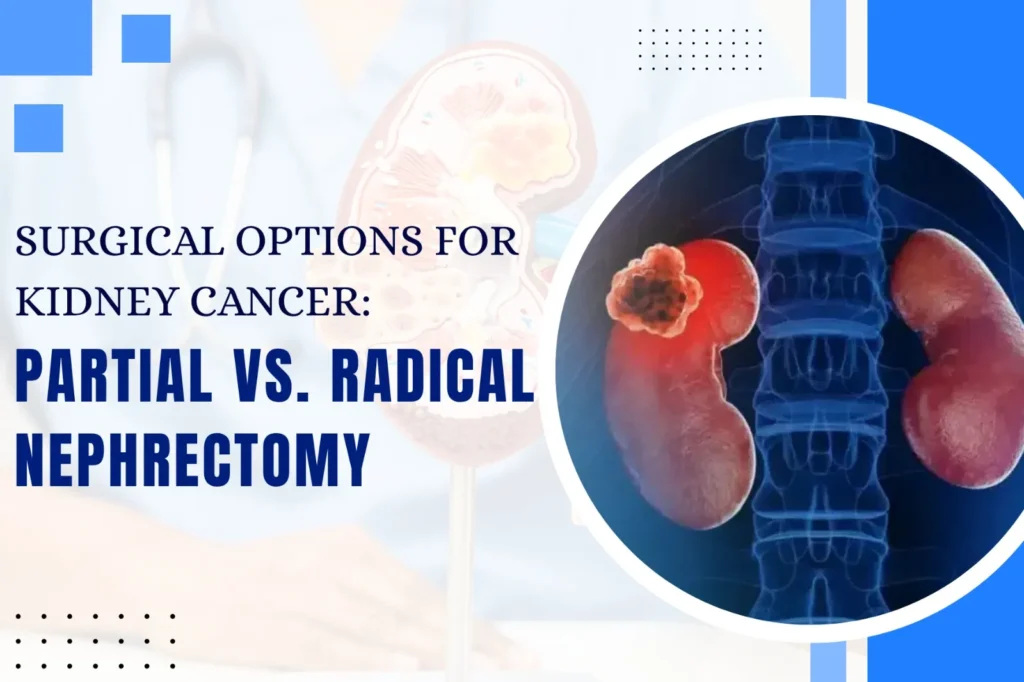
Surgical Options for Kidney Cancer: Partial vs. Radical Nephrectomy
Hello Reader!
Welcome to the blog page of Dr. Suman Sahoo, Best Uro Oncologist in Medinipur.
Kidney Cancer is one of the most important urological conditions that requires timely diagnosis and the right treatment approach. For many patients, surgery remains the most effective and trusted treatment. Among the most commonly recommended Surgical Options for Kidney Cancer, two procedures stand out—Partial vs. Radical Nephrectomy. Understanding the difference between these surgeries can help patients and families make informed decisions with confidence.
As Dr. Suman Sahoo, the best uro oncologist in Medinipur, I often meet patients who feel anxious after being told they need kidney surgery. Questions such as “Will my whole kidney be removed?”, “Can the cancer be treated while saving the kidney?”, and “Which surgery is better for me?” are very common. The good news is that modern surgical care offers safe and effective solutions tailored to each patient’s condition.
In this detailed blog, we will explore Kidney Cancer, understand the available Surgical Options for Kidney Cancer, and compare Partial vs. Radical Nephrectomy in a clear and patient-friendly way.

Understanding Kidney Cancer
Kidney Cancer occurs when abnormal cells in the kidney begin to grow uncontrollably and form a tumor. The kidneys are vital organs that filter waste, balance fluids, and help regulate blood pressure. When cancer develops in the kidney, it can affect not only the organ itself but also the overall health of the patient if left untreated.
The most common type of Kidney Cancer in adults is renal cell carcinoma (RCC). In many cases, it is detected incidentally during an ultrasound, CT scan, or MRI performed for some other health concern. This means some patients may not have symptoms in the early stages.
Common symptoms of Kidney Cancer may include:
- Blood in urine (hematuria)
- Persistent pain in the side or back
- A lump or swelling in the abdomen
- Unexplained weight loss
- Fatigue
- Fever without infection
- Loss of appetite
However, not all patients experience symptoms, which is why regular health check-ups and imaging tests can be very important.
When diagnosed early, Kidney Cancer often has an excellent chance of successful treatment, especially when the right Surgical Options for Kidney Cancer are chosen.

Why Surgery Is Often the Best Treatment for Kidney Cancer
Surgery is considered the gold standard for many localized kidney tumors. Unlike some cancers that respond primarily to chemotherapy or radiation, Kidney Cancer often requires removal of the tumor through surgery for the best long-term outcome.
The main goals of surgery are:
- To remove the cancer completely
- To prevent the tumor from spreading
- To preserve as much kidney function as possible
- To reduce the risk of recurrence
The two major Surgical Options for Kidney Cancer are:
- Partial Nephrectomy
- Radical Nephrectomy
This is where the important comparison of Partial vs. Radical Nephrectomy becomes highly relevant.
As the Best Uro Oncologist in Medinipur, I always emphasize that the best surgery depends on the size, location, stage of the tumor, and the patient’s overall health.
What is a Partial Nephrectomy?
Partial Nephrectomy is a kidney-sparing surgery in which only the tumor and a small margin of surrounding healthy tissue are removed, while the rest of the kidney is preserved.
This approach is often recommended when:
- The tumor is small
- The cancer is localized
- The tumor is in a position where it can be safely removed
- The patient has reduced kidney function
- The patient has only one kidney
- There is a risk of developing kidney problems in the future
Why Partial Nephrectomy is Important
The major advantage of partial nephrectomy in the discussion of Partial vs. Radical Nephrectomy is that it preserves kidney tissue. Since kidneys are essential for filtering blood and maintaining body balance, preserving kidney function can be extremely beneficial in the long term.
Benefits of Partial Nephrectomy
- Preserves maximum kidney function
- Effective cancer control for suitable tumors
- Lowers the risk of chronic kidney disease
- Especially helpful for younger patients and those with pre-existing kidney issues
Challenges of Partial Nephrectomy
- Technically more complex than radical nephrectomy
- May not be suitable for very large or centrally located tumors
- Requires expertise and careful surgical planning
For patients with early-stage Kidney Cancer, partial nephrectomy is often considered one of the best Surgical Options for Kidney Cancer.
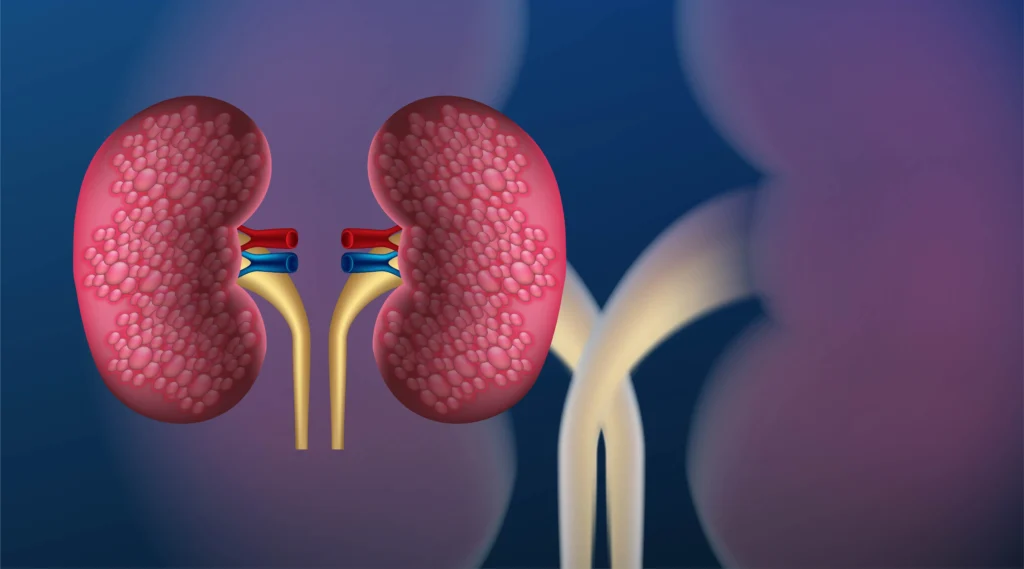
What Is Radical Nephrectomy?
Radical Nephrectomy is a surgery in which the entire kidney is removed. In some cases, nearby fatty tissue, lymph nodes, and the adrenal gland may also be removed if necessary.
This procedure is usually advised when:
- The tumor is large
- The cancer involves a major portion of the kidney
- The tumor is centrally located and difficult to remove partially
- There are multiple tumors in the same kidney
- Partial nephrectomy is not technically safe
Why Radical Nephrectomy Is Sometimes Necessary
In the comparison of Partial vs. Radical Nephrectomy, radical nephrectomy is often the better option when complete removal of the cancer is the top priority and preserving the kidney is not feasible.
Benefits of Radical Nephrectomy
- Removes the entire cancer-bearing kidney
- Often technically simpler than partial nephrectomy
- Very effective for larger or more complex tumors
- Reduces the risk of leaving behind cancerous tissue in difficult cases
Challenges of Radical Nephrectomy
- Loss of one entire kidney
- Greater long-term dependence on the remaining kidney
- Potential risk of reduced kidney function in some patients
Still, many patients live completely healthy lives with one kidney after successful treatment for Kidney Cancer.
Partial vs. Radical Nephrectomy: What Is the Difference?
When discussing Partial vs. Radical Nephrectomy, it is important to understand that both surgeries are effective, but they serve different clinical situations.
1. Amount of Kidney Removed
- Partial Nephrectomy: Removes only the tumor and a margin of healthy tissue
- Radical Nephrectomy: Removes the whole kidney
2. Goal of Surgery
- Partial Nephrectomy: Remove cancer while preserving kidney function
- Radical Nephrectomy: Remove the entire diseased kidney for complete cancer control
3. Best for Which Tumors?
- Partial Nephrectomy: Small, localized, accessible tumors
- Radical Nephrectomy: Large, complex, centrally located, or advanced tumors
4. Impact on Kidney Function
- Partial Nephrectomy: Better preservation of kidney function
- Radical Nephrectomy: More dependence on the remaining kidney
5. Surgical Complexity
- Partial Nephrectomy: More technically demanding
- Radical Nephrectomy: Generally less complex in certain cases
This is why the debate around Partial vs. Radical Nephrectomy is not about which surgery is universally better, but rather which one is better for a specific patient.

How Doctors Decide Between Partial vs. Radical Nephrectomy
Choosing between Partial vs. Radical Nephrectomy depends on multiple important factors. A personalized evaluation is essential.
Factors Considered Include:
1. Tumor Size
Smaller tumors are often ideal for partial nephrectomy, while larger tumors may require radical nephrectomy.
2. Tumor Location
A tumor located at the outer edge of the kidney is often easier to remove partially. Tumors deep inside the kidney may be more challenging.
3. Number of Tumors
If there are multiple tumors, the surgical plan may change depending on how much kidney can be safely preserved.
4. Kidney Function
Patients with diabetes, hypertension, or existing kidney disease may benefit more from kidney-sparing surgery whenever possible.
5. Overall Health
The patient’s age, fitness for surgery, and associated health conditions also influence the final decision.
6. Cancer Stage
If Kidney Cancer has spread locally or invaded nearby structures, radical nephrectomy may be more appropriate.
As the Best Uro Oncologist in Medinipur, I always ensure that the decision regarding Surgical Options for Kidney Cancer is made after a complete clinical assessment and discussion with the patient and family.
Also Read: Prostate Cancer vs. BPH (Benign Prostatic Hyperplasia): Know the Difference
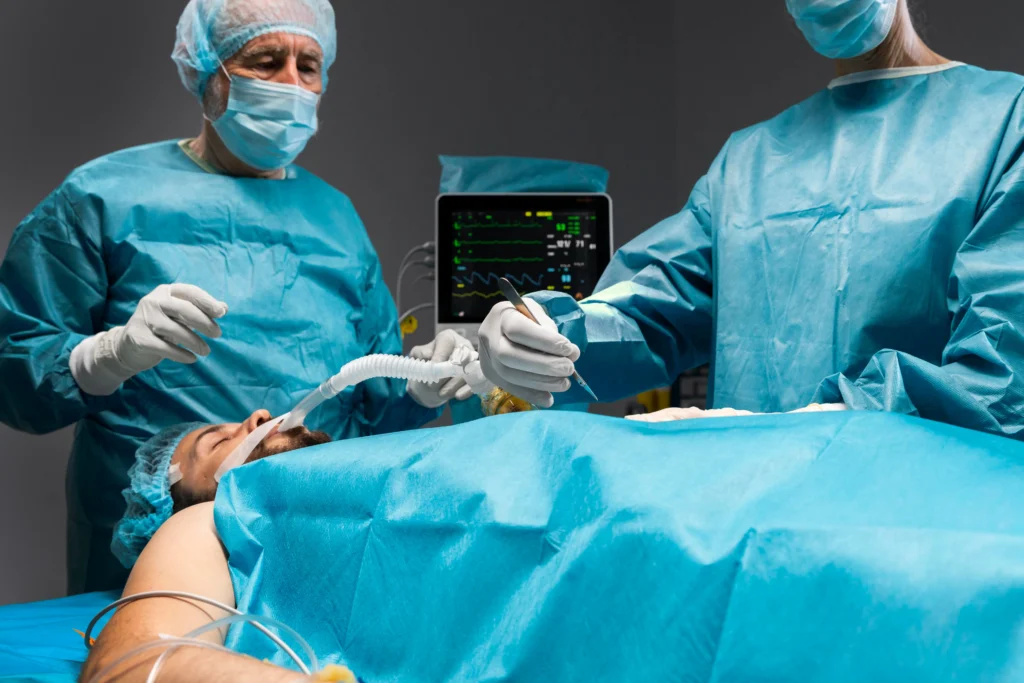
Open, Laparoscopic, and Robotic Approaches to Kidney Surgery
Both Partial Nephrectomy and Radical Nephrectomy can be performed using different surgical techniques.
1. Open Surgery
This is the traditional approach involving a larger incision. It may be used in more complex or advanced cases.
2. Laparoscopic Surgery
This is a minimally invasive technique performed through small incisions using specialized instruments and a camera.
3. Robotic-Assisted Surgery
This advanced minimally invasive method allows greater precision, especially in complex kidney-sparing surgeries.
Advantages of Minimally Invasive Surgery
- Smaller incisions
- Less pain
- Reduced blood loss
- Shorter hospital stay
- Faster recovery
- Better cosmetic results
For many patients with Kidney Cancer, minimally invasive procedures have significantly improved the experience of treatment.
When evaluating Surgical Options for Kidney Cancer, the surgical approach is also an important part of planning.
Is Partial Nephrectomy Always Better?
A common misconception is that preserving the kidney is always the best choice. While kidney preservation is ideal whenever safe, it is not always the correct option.
In the discussion of Partial vs. Radical Nephrectomy, the best surgery is the one that removes the cancer effectively while ensuring long-term safety.
Partial nephrectomy is excellent when:
- The tumor is suitable
- Cancer can be fully removed
- Kidney function can be preserved safely
However, radical nephrectomy may be better when:
- The tumor is too large or complex
- There is a risk of incomplete cancer removal
- Kidney-sparing surgery may compromise cancer control
So, the real answer to Partial vs. Radical Nephrectomy is not emotional—it is medical, strategic, and individualized.
Recovery After Kidney Cancer Surgery
Recovery depends on the type of surgery, the patient’s health, and whether the procedure was open or minimally invasive.
What to Expect After Surgery
- Hospital stay of a few days
- Temporary pain or discomfort
- Gradual return to walking and light activities
- Avoid heavy lifting for a few weeks
- Follow-up scans and blood tests
- Monitoring of kidney function
Tips for Recovery
- Drink adequate fluids as advised
- Follow dietary recommendations
- Take medicines on time
- Attend all follow-up appointments
- Avoid smoking and alcohol
- Maintain blood pressure and blood sugar control
Whether the treatment is Partial vs. Radical Nephrectomy, proper recovery care is essential for the best outcome.
Life After Nephrectomy
Many patients worry whether they can live normally after losing part or all of a kidney. The reassuring answer is yes.
After Partial Nephrectomy
Most patients retain good kidney function and return to their routine life after recovery.
After Radical Nephrectomy
Many people live healthy and active lives with one kidney. The remaining kidney often adapts and takes over the workload efficiently.
Long-Term Health Advice
- Keep blood pressure under control
- Stay hydrated
- Avoid unnecessary painkillers or kidney-harming medications
- Have regular kidney function tests
- Follow cancer surveillance protocols
This is why choosing the right Surgical Options for Kidney Cancer is only one part of the journey—long-term care matters too.

What Are the Risks of Kidney Surgery?
Like all surgeries, both Partial vs. Radical Nephrectomy carry certain risks, though these are usually manageable in experienced hands.
Possible Risks Include:
- Bleeding
- Infection
- Injury to nearby organs
- Urine leak (more relevant in partial nephrectomy)
- Reduced kidney function
- Rare need for conversion from partial to radical nephrectomy during surgery
The good news is that with proper planning, modern imaging, and expert surgical care, outcomes are often highly successful.
That is why consulting the Best Uro Oncologist in Medinipur can make a meaningful difference in your treatment journey.
Follow-Up After Kidney Cancer Surgery
Even after successful surgery, follow-up is essential. Kidney Cancer requires regular monitoring to ensure there is no recurrence and that the remaining kidney function stays healthy.
Follow-Up May Include:
- Physical examinations
- Blood tests
- Urine tests
- Ultrasound
- CT scan or MRI
- Periodic cancer surveillance schedules
The exact follow-up plan depends on:
- Tumor stage
- Tumor grade
- Type of surgery performed
- Overall patient health
Regular follow-up is a critical part of managing Kidney Cancer successfully over the long term.
When Should You See a Specialist?
If you have been diagnosed with a kidney mass, blood in urine, unexplained flank pain, or imaging findings suggestive of Kidney Cancer, you should consult a specialist without delay.
An experienced uro-oncologist can help with:
- Accurate diagnosis
- Cancer staging
- Surgical planning
- Kidney function preservation
- Post-operative follow-up
- Long-term cancer care
Early expert evaluation can make a major difference in selecting the right Surgical Options for Kidney Cancer and achieving the best possible results.

FAQs
1. Which is better: Partial vs. Radical Nephrectomy?
Neither is universally better. The best option depends on the tumor size, location, kidney function, and cancer stage.
2. Can Kidney Cancer be cured with surgery?
Yes, in many localized cases, Kidney Cancer can be effectively treated or even cured with surgery.
3. Is partial nephrectomy safe?
Yes, when performed in appropriate cases by an experienced specialist, partial nephrectomy is a safe and effective option.
4. Can I live normally with one kidney?
Yes, most people live healthy and normal lives with one kidney after radical nephrectomy.
5. How do I know which surgery I need?
A complete medical evaluation by the Best Uro Oncologist in Medinipur can determine the most suitable Surgical Options for Kidney Cancer for your condition.
Final Thoughts
When it comes to Kidney Cancer, surgery is often the cornerstone of successful treatment. The choice between Partial vs. Radical Nephrectomy depends on many factors, including tumor size, location, stage, kidney function, and overall health.
There is no one-size-fits-all answer in Surgical Options for Kidney Cancer. For some patients, partial nephrectomy offers the ideal balance of cancer control and kidney preservation. For others, radical nephrectomy provides the safest and most effective treatment.
The most important thing is to choose the right treatment at the right time under expert guidance.
If you or a loved one has been diagnosed with Kidney Cancer, do not delay seeking specialist care. As Dr. Suman Sahoo, Best Uro Oncologist in Medinipur, my goal is to provide precise diagnosis, advanced treatment, and compassionate support throughout your cancer journey.
With timely intervention and the right surgical plan, patients with Kidney Cancer can look forward to successful outcomes and a healthier future.
Recent Posts

Can Rare Urological Cancers in Children Be Detected Early?
March 31, 2026