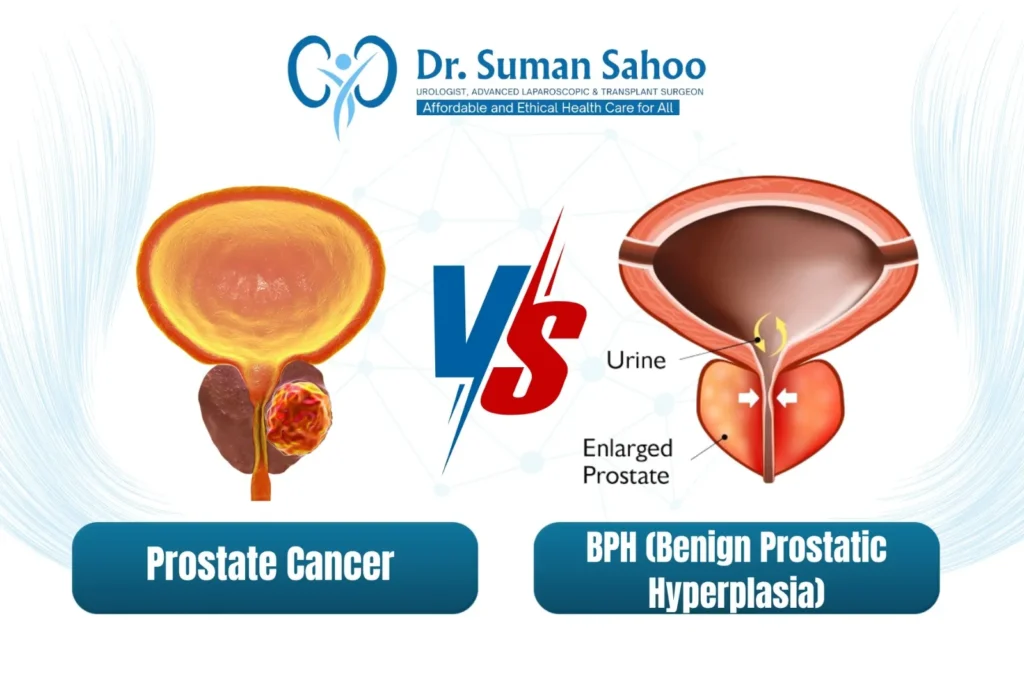
Prostate Cancer vs. BPH (Benign Prostatic Hyperplasia): Know the Difference
Hello Reader!
Welcome to the blog page of Dr. Suman Sahoo, one of the Best Uro Oncologist in Medinipur.
When men begin to experience urinary problems such as frequent urination, weak urine flow, difficulty starting urination, or waking up multiple times at night to urinate, one common concern often arises—is it prostate cancer or simply an enlarged prostate? This is where understanding Prostate Cancer vs. BPH becomes extremely important.
Although both conditions affect the prostate gland and can cause similar urinary symptoms, they are not the same. Benign Prostatic Hyperplasia (BPH) is a non-cancerous enlargement of the prostate, while prostate cancer is a potentially serious condition where abnormal cells in the prostate grow uncontrollably.
Knowing the difference between Prostate Cancer vs. BPH can help men seek timely diagnosis, proper treatment, and peace of mind. In this detailed blog, Dr. Suman Sahoo, Best Uro Oncologist in Medinipur, explains everything you need to know about these two conditions, including symptoms, causes, risk factors, diagnosis, treatment, and when to consult a specialist.
Understanding the Prostate Gland
Before discussing Prostate Cancer vs. BPH, it is important to understand what the prostate is and what it does.
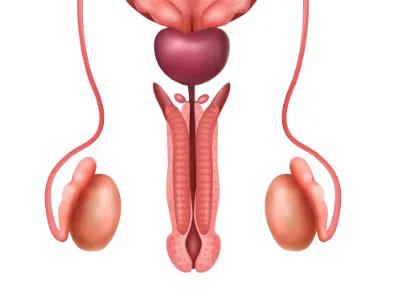
The prostate gland is a small walnut-shaped gland found only in men. It is located below the bladder and surrounds the urethra—the tube that carries urine out of the body. The prostate plays an important role in producing seminal fluid, which nourishes and transports sperm.
As men age, the prostate may undergo changes. Some of these changes are harmless, like BPH, while others may be more serious, like prostate cancer.
This is why recognizing the difference between Prostate Cancer vs. BPH is crucial for every man, especially after the age of 50.
What is BPH (Benign Prostatic Hyperplasia)?
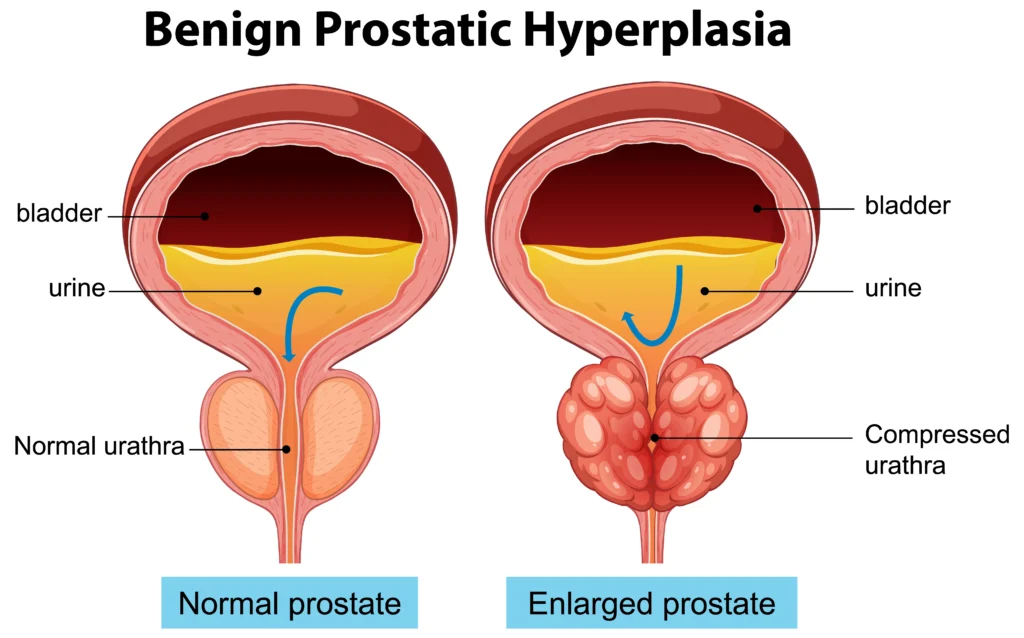
Benign Prostatic Hyperplasia (BPH) is a non-cancerous enlargement of the prostate gland. It is a very common condition in older men and usually develops gradually over time.
As the prostate enlarges, it can press against the urethra and affect the normal flow of urine. This leads to urinary symptoms that may interfere with daily life and sleep.
Key point:
BPH is not cancer, and it does not directly turn into prostate cancer. However, because the symptoms can overlap, many men get confused between Prostate Cancer vs. BPH.
What is Prostate Cancer?
Prostate cancer occurs when abnormal cells in the prostate gland begin to grow uncontrollably. It is one of the most common cancers affecting men worldwide.
In its early stages, prostate cancer may not cause noticeable symptoms. In some men, it grows slowly and may remain confined to the prostate. In others, it may grow aggressively and spread to nearby tissues, lymph nodes, or bones.
This is why understanding Prostate Cancer vs. BPH is essential—not all urinary problems are harmless, and not all prostate enlargement is cancer.
As the Best Uro Oncologist in Medinipur, Dr. Suman Sahoo emphasizes that early detection can make a major difference in treatment success.
Prostate Cancer vs. BPH: The Main Difference
Let us first understand the basic distinction between these two conditions.
BPH:
- Non-cancerous enlargement of the prostate
- Common with aging
- Does not spread to other parts of the body
- Usually affects urination
Prostate Cancer:
- Cancerous growth in the prostate gland
- Can sometimes grow silently
- May spread to other organs if untreated
- Can be life-threatening if diagnosed late
This simple comparison helps explain the core difference in Prostate Cancer vs. BPH.
Symptoms: Prostate Cancer vs. BPH
One of the reasons why people often confuse Prostate Cancer vs. BPH is because the symptoms may appear very similar, especially in the beginning.
Common Symptoms of BPH
BPH usually causes urinary symptoms because the enlarged prostate presses against the urethra.
Common BPH symptoms include:
- Frequent urination, especially at night
- Difficulty starting urination
- Weak urine stream
- Interrupted or stop-start urine flow
- Feeling that the bladder is not completely empty
- Urgency to urinate
- Dribbling after urination
These symptoms can be uncomfortable, but they are usually related to the physical blockage caused by the enlarged gland.

Common Symptoms of Prostate Cancer
In the early stages, prostate cancer may not cause any symptoms at all. When symptoms do appear, they may resemble BPH.
Common prostate cancer symptoms include:
- Frequent urination
- Weak urine flow
- Difficulty urinating
- Blood in urine or semen
- Pain or burning during urination
- Pain in the lower back, hips, or pelvis
- Erectile dysfunction in some cases
- Unexplained weight loss or fatigue in advanced stages
Important point:
If symptoms such as blood in urine, bone pain, or unexplained weight loss occur, it becomes especially important to rule out prostate cancer.
This is why Prostate Cancer vs. BPH should never be judged based on symptoms alone.
Causes: Prostate Cancer vs. BPH
Understanding the causes also helps distinguish Prostate Cancer vs. BPH.
Causes of BPH
The exact cause of BPH is not fully understood, but it is strongly associated with aging and hormonal changes in men.
Possible factors behind BPH:
- Age-related prostate growth
- Changes in testosterone and estrogen balance
- Family history
- Obesity
- Sedentary lifestyle
- Metabolic disorders
BPH is extremely common as men get older, especially after the age of 50.
Causes of Prostate Cancer
The exact cause of prostate cancer is also not always clear, but it develops due to genetic mutations in prostate cells that cause uncontrolled growth.
Possible contributing factors:
- Increasing age
- Family history of prostate cancer
- Genetic predisposition
- Hormonal influences
- Diet high in fat and processed foods
- Obesity
- Chronic inflammation in some cases
As the Best Uro Oncologist in Medinipur, Dr. Suman Sahoo advises regular screening for men with family history or persistent urinary symptoms.
Also Read: Kidney Cysts Explained: Are They Dangerous?

Risk Factors: Prostate Cancer vs. BPH
Both conditions are more common with age, but there are some important differences in risk factors.
Risk Factors for BPH
- Age above 50
- Family history of enlarged prostate
- Diabetes
- Heart disease
- Obesity
- Lack of physical activity
Risk Factors for Prostate Cancer
- Age above 50
- Family history of prostate cancer
- Genetic mutations
- Obesity
- Poor dietary habits
- Smoking in some cases
- Hormonal imbalance
Although some risk factors overlap, the presence of risk factors does not automatically mean cancer. That is why proper evaluation is essential when comparing Prostate Cancer vs. BPH.
Can BPH Turn Into Prostate Cancer?
This is one of the most frequently asked questions by patients.
The answer is: No, BPH does not turn into prostate cancer.
BPH is a benign condition, which means it is not cancerous. However, a man can have both BPH and prostate cancer at the same time, because both conditions can occur in the prostate as men age.
This is a very important point in understanding Prostate Cancer vs. BPH.
So while BPH itself is not cancer, ignoring symptoms is not advisable because only proper medical evaluation can determine the real cause.
How Doctors Diagnose Prostate Cancer vs. BPH
Since the symptoms of Prostate Cancer vs. BPH can overlap, doctors use several tests to find the exact cause.
1. Medical History and Symptom Review
Your doctor will ask about:
- Urinary symptoms
- Duration of symptoms
- Family history
- General health
- Sexual function
- Any blood in urine or pain
2. Physical Examination (DRE)
A Digital Rectal Examination (DRE) helps the doctor assess:
- Size of the prostate
- Shape and texture
- Presence of hard or irregular areas
In BPH, the prostate is usually enlarged but smooth.
In prostate cancer, there may be hard nodules or irregularities.
3. PSA Blood Test
The Prostate-Specific Antigen (PSA) test is commonly used when evaluating Prostate Cancer vs. BPH.
Important note:
PSA may be elevated in both BPH and prostate cancer.
So, an elevated PSA does not automatically mean cancer.
It simply indicates that further evaluation may be needed.
4. Urine Tests
Urine tests help rule out:
- Urinary tract infections
- Blood in urine
- Other urinary abnormalities
5. Ultrasound / Imaging
Imaging tests may help assess:
- Prostate size
- Bladder emptying
- Suspicious lesions
- Urinary obstruction
6. MRI of the Prostate
If cancer is suspected, an MRI may be recommended to identify suspicious areas in the prostate.
7. Prostate Biopsy
A biopsy is the only definitive way to confirm prostate cancer.
Small tissue samples are taken from the prostate and examined under a microscope to look for cancer cells.
This is one of the most important steps in differentiating Prostate Cancer vs. BPH.
Treatment: Prostate Cancer vs. BPH
The treatment for Prostate Cancer vs. BPH is very different because one is benign and the other is malignant.
Treatment for BPH
BPH treatment depends on symptom severity.
Mild BPH:
- Lifestyle changes
- Reducing caffeine and alcohol
- Limiting fluid intake at night
- Timed urination
- Weight management
Medications for BPH:
- Alpha-blockers to relax prostate muscles
- 5-alpha reductase inhibitors to shrink the prostate
- Combination therapy in some cases
Procedures / Surgery for BPH:
If symptoms are severe or medications do not help, procedures may be needed such as:
- TURP (Transurethral Resection of the Prostate)
- Laser treatment
- Minimally invasive prostate procedures
BPH is usually very manageable with the right care.
Treatment for Prostate Cancer
Treatment depends on:
- Stage of cancer
- PSA level
- Biopsy results
- Age and overall health
- Whether the cancer is slow-growing or aggressive
Common prostate cancer treatment options include:
1. Active Surveillance
For very early, slow-growing cancers, close monitoring may be advised.
2. Surgery
Surgical removal of the prostate may be recommended in suitable cases.
3. Radiation Therapy
Used to destroy cancer cells in or around the prostate.
4. Hormone Therapy
Helps reduce male hormones that fuel cancer growth.
5. Chemotherapy
Used in more advanced or aggressive cases.
6. Targeted and Advanced Cancer Treatments
Depending on the case, more specialized treatment may be needed.
As the Best Uro Oncologist in Medinipur, Dr. Suman Sahoo provides individualized care based on each patient’s condition and stage of disease.

Why Early Diagnosis Matters in Prostate Cancer vs. BPH
The biggest danger in confusing Prostate Cancer vs. BPH is assuming that all urinary symptoms are “just age-related” and ignoring them.
Early diagnosis matters because:
- BPH can worsen and affect bladder health
- Prostate cancer can remain silent in early stages
- Timely detection improves treatment success
- Many prostate problems can be managed effectively when caught early
If you are experiencing persistent urinary symptoms, it is always better to consult a specialist rather than delay care.
That is why many patients trust Dr. Suman Sahoo, Best Uro Oncologist in Medinipur, for accurate diagnosis and advanced treatment.
When Should You See a Specialist?
You should not ignore prostate-related symptoms, especially if they persist or worsen over time.
Consult a specialist if you have:
- Frequent urination
- Difficulty urinating
- Weak urine flow
- Blood in urine
- Painful urination
- Family history of prostate cancer
- Sudden worsening of urinary symptoms
- Pelvic or bone pain
Even if the cause turns out to be BPH, getting evaluated early can prevent complications and improve quality of life.
If you are confused about Prostate Cancer vs. BPH, consulting the Best Uro Oncologist in Medinipur can help you get clarity and the right treatment plan.
How to Maintain Prostate Health
While not all prostate conditions can be prevented, healthy habits may support better prostate health.
Helpful lifestyle tips:
- Stay physically active
- Maintain a healthy weight
- Eat more fruits and vegetables
- Reduce excessive red meat and processed food intake
- Stay hydrated
- Avoid smoking
- Get regular health checkups after age 50
- Discuss screening earlier if you have family history
These habits can contribute to better urinary and overall health over time.

FAQs
1. What is the main difference between Prostate Cancer vs. BPH?
The main difference is that BPH is a non-cancerous enlargement of the prostate, while prostate cancer involves abnormal cancerous growth in the prostate gland.
2. Can BPH turn into prostate cancer?
No, BPH does not turn into prostate cancer, but both conditions can occur in the same person.
3. Do Prostate Cancer vs. BPH have similar symptoms?
Yes, both can cause urinary symptoms such as frequent urination, weak urine flow, and difficulty urinating.
4. Is PSA high in both Prostate Cancer vs. BPH?
Yes, PSA levels can be elevated in both conditions, which is why further tests are often needed.
5. When should I consult the Best Uro Oncologist in Medinipur?
You should consult a specialist if you have persistent urinary symptoms, blood in urine, pelvic pain, or a family history of prostate cancer.
Final Thoughts
Understanding Prostate Cancer vs. BPH is extremely important for men, especially as they age. Although both conditions affect the prostate and may cause similar symptoms, they are very different in nature, seriousness, and treatment.
Remember:
- BPH is non-cancerous
- Prostate cancer is cancerous and may require urgent treatment
- Similar symptoms do not mean they are the same
- Only a proper medical evaluation can tell the difference
If you or a loved one is experiencing urinary issues or concerns related to the prostate, do not ignore the signs.
For expert diagnosis, advanced treatment, and compassionate care, consult Dr. Suman Sahoo, the best uro oncologist in Medinipur. Timely attention can make all the difference in protecting your health.