
Kidney Cancer: Risk Factors, Screening & Treatment Options
Hello Reader!
Welcome to the blog page of Dr. Suman Sahoo, one of the Best Uro Oncologist in Medinipur.
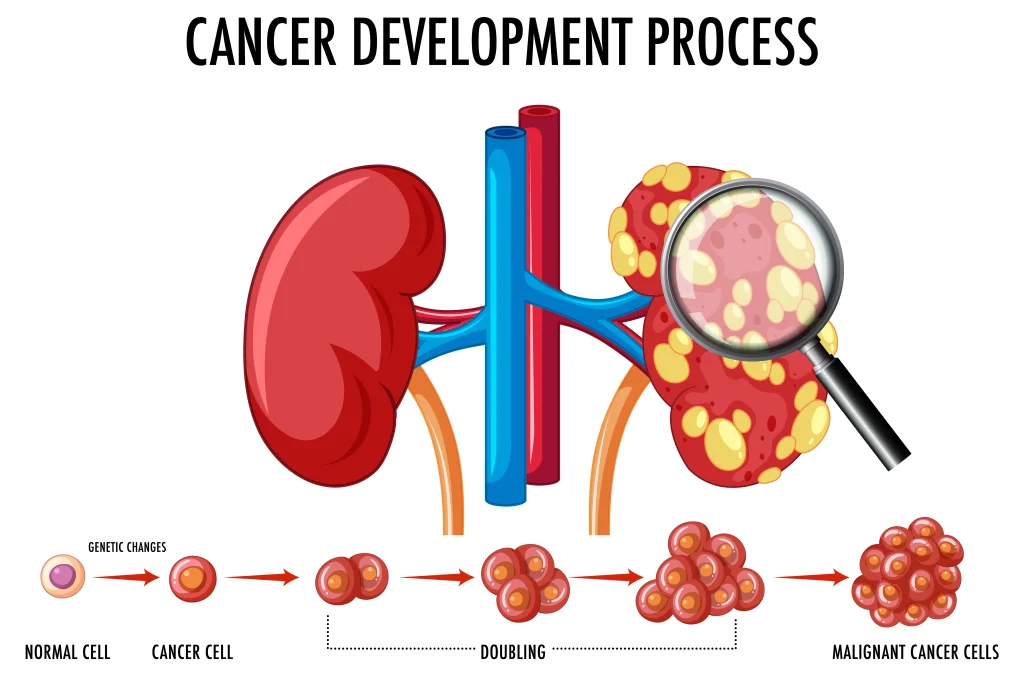
Kidney Cancer, also known as renal cell carcinoma, is one of the most common cancers affecting the urinary system. It develops when healthy kidney cells grow uncontrollably and form a tumor. Early detection plays a crucial role in improving survival rates and treatment success. As the Best Uro Oncologist in Medinipur, I have treated numerous patients with kidney cancer and have seen how timely diagnosis and appropriate therapy can save lives.
Understanding Kidney Cancer
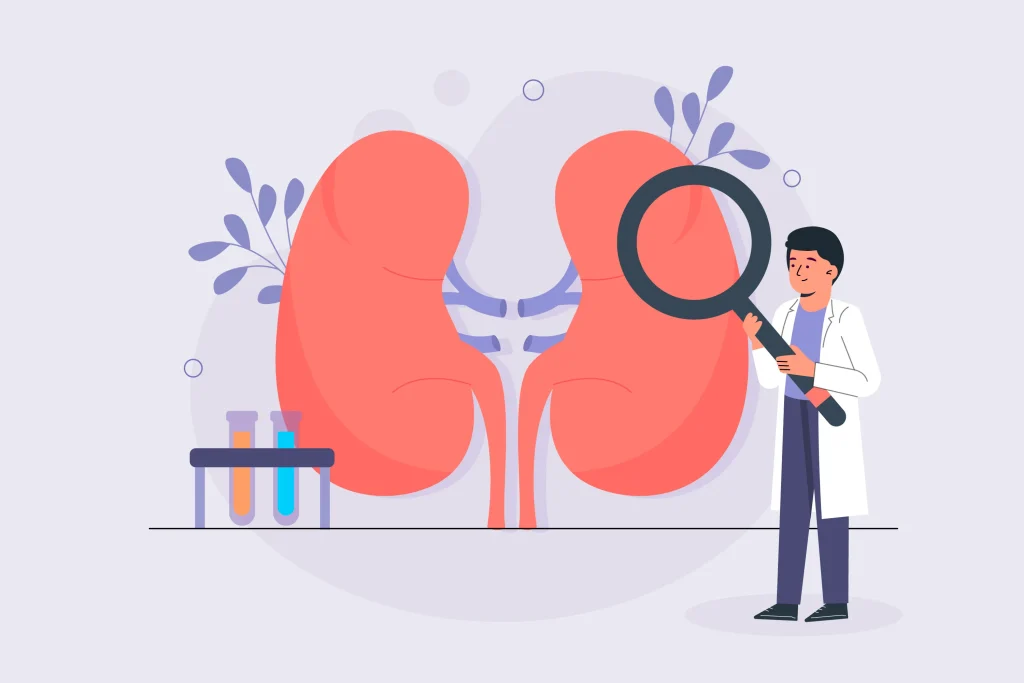
The kidneys are two bean-shaped organs that filter waste and excess fluid from the blood. Kidney Cancer begins in the lining of the tiny tubes inside the kidney and can spread (metastasize) to other parts of the body if not detected early.
The most common type of kidney cancer is Renal Cell Carcinoma (RCC), accounting for nearly 90% of all kidney tumors. Other rare types include transitional cell carcinoma, Wilms’ tumor (in children), and renal sarcoma.
Risk Factors for Kidney Cancer
While the exact cause of kidney cancer is not fully known, several risk factors have been identified that increase the likelihood of developing it:
- Smoking – Tobacco use significantly raises the risk of kidney cancer as harmful chemicals damage kidney cells over time.
- Obesity – Excess body weight leads to hormonal imbalances that can promote cancer cell growth.
- High Blood Pressure – Chronic hypertension has been linked to higher kidney cancer risk.
- Family History – Having a close relative with kidney cancer can increase genetic susceptibility.
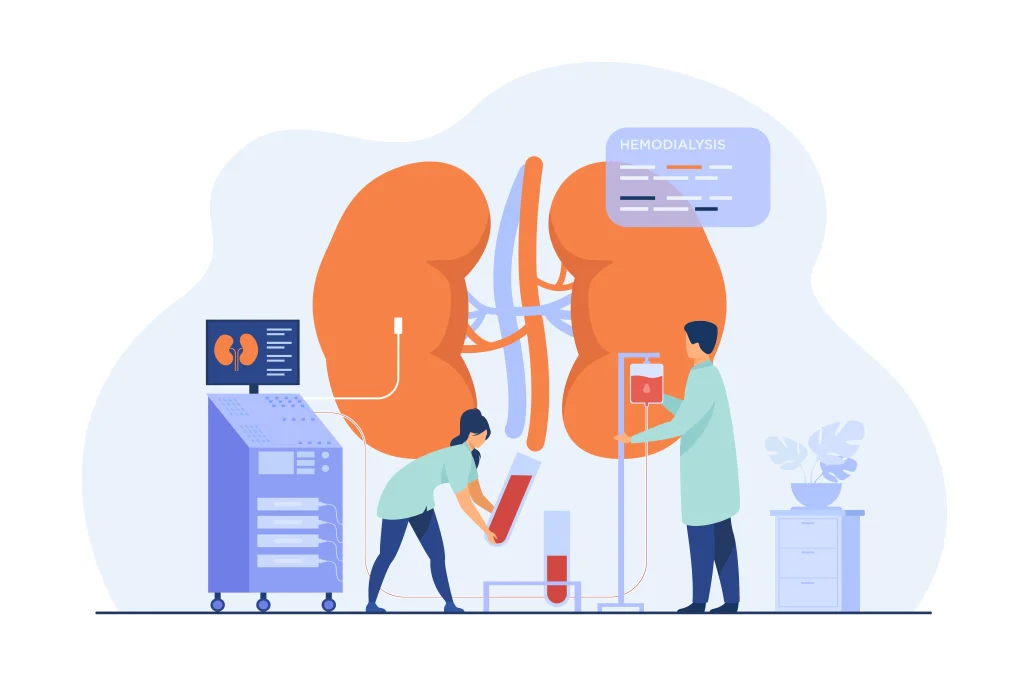
- Long-term Dialysis – Patients undergoing prolonged dialysis for kidney failure are more prone to developing kidney cancer.
- Occupational Exposure – Contact with certain chemicals like cadmium, asbestos, or herbicides may elevate risk.
- Genetic Conditions – Disorders such as Von Hippel-Lindau disease or hereditary papillary renal carcinoma increase vulnerability.
As the Best Uro Oncologist in Medinipur, I strongly advise individuals with these risk factors to undergo regular screenings to detect any abnormalities early.

Symptoms of Kidney Cancer
Kidney cancer is often asymptomatic in the early stages. However, as the disease progresses, some common signs may include:
- Blood in urine (hematuria)
- Persistent pain in the side or lower back
- Unexplained weight loss
- Fatigue or weakness
- A lump or mass in the abdomen
- Loss of appetite
- Fever that isn’t linked to infection
If you notice these symptoms, consulting the Best Uro Oncologist in Medinipur can help you get the right diagnosis and treatment at the right time.
Screening and Diagnosis
Early screening is vital for identifying kidney cancer before it spreads. Routine health checkups can help detect early signs even in the absence of symptoms. Diagnostic methods include:
- Imaging Tests – Ultrasound, CT scans, and MRI scans are commonly used to visualize kidney tumors.
- Urine Tests – Detect blood or cancer cells in urine.
- Blood Tests – Assess kidney function and look for abnormal markers.
- Biopsy – A small tissue sample is examined under a microscope to confirm the presence of cancer cells.
As the Best Uro Oncologist in Medinipur, I use advanced diagnostic techniques and a patient-centered approach to ensure accurate results and personalized treatment planning.

Treatment Options for Kidney Cancer
The treatment of kidney cancer depends on the stage, size, and location of the tumor, as well as the overall health of the patient. The main treatment options include:
1. Surgery
Surgery remains the most effective treatment for localized kidney cancer.
- Partial Nephrectomy: Only the tumor and a small margin of healthy tissue are removed, preserving kidney function.
- Radical Nephrectomy: The entire kidney, along with surrounding tissues and lymph nodes, may be removed if the cancer is extensive.
As the Best Uro Oncologist in Medinipur, I specialize in minimally invasive laparoscopic and robotic surgeries to ensure faster recovery and minimal complications.
2. Targeted Therapy
This treatment focuses on specific genes or proteins that promote cancer growth. Targeted therapy drugs block these pathways, slowing tumor progression.
3. Immunotherapy
This innovative treatment boosts the body’s immune system to recognize and destroy cancer cells. It has shown promising results, especially in advanced stages.
4. Radiation Therapy
Radiation may be used in cases where surgery isn’t possible, or to relieve pain and control symptoms in metastatic cancer.
5. Chemotherapy
Though less effective for kidney cancer compared to other cancers, chemotherapy may still be used in certain types or in combination with other treatments.
Also Read: How to Search out for the Best Uro Oncologist in Medinipur
Stages of Kidney Cancer and Their Impact on Treatment
The stages of kidney cancer are determined primarily by the TNM classification system, which assesses the tumor size and spread (T), lymph node involvement (N), and presence of metastasis (M). The stage of kidney cancer significantly influences treatment decisions and prognosis.
Stages of Kidney Cancer (TNM System)
- Stage 1 (T1, N0, M0):
The tumor is confined within the kidney and is 7 cm or smaller. It has not spread to lymph nodes or other parts of the body. Treatment often involves partial or radical nephrectomy with good prognosis. - Stage 2 (T2, N0, M0):
The tumor is larger than 7 cm but still confined to the kidney without lymph node or distant spread. Surgical removal (nephrectomy) remains the primary treatment option. - Stage 3 (T3 or any N1, M0):
Cancer has extended beyond the kidney to surrounding tissues such as fat or major veins (renal vein or vena cava) or spread to nearby lymph nodes. Treatment includes surgery combined with possible immunotherapy or targeted therapies due to increased local advancement. - Stage 4 (T4 or any N, M1):
The cancer has spread beyond the kidney into adjacent organs or distant sites such as the lungs or bones (metastasis). Treatment is more complex, often involving systemic therapies like immunotherapy, targeted drugs, and palliative care options.
T Stages Detailed:
- T1: Tumor ≤7 cm, inside kidney (T1a ≤4 cm; T1b >4 cm and ≤7 cm)
- T2: Tumor >7 cm, inside kidney (T2a 7-10 cm; T2b >10 cm)
- T3: Tumor extends into major veins or perinephric tissues but not beyond Gerota’s fascia—subdivided into T3a (renal vein or fat), T3b (vena cava below diaphragm), and T3c (vena cava above diaphragm or invading its wall)
- T4: Tumor invades beyond Gerota’s fascia into adjacent organs
N and M Descriptions:
- N0: No regional lymph node involvement
- N1: Cancer spread to one nearby lymph node
- M0: No distant metastasis
- M1: Presence of distant metastases
Impact on Treatment
- Early stages (1 and 2) primarily undergo surgical removal of the tumor or kidney, aiming for cure.
- Locally advanced stage 3 may require additional therapies like immunotherapy or targeted therapy post-surgery to address microscopic disease.
- Advanced stage 4 with metastases relies more on systemic therapies (immunotherapy, targeted agents) to control spread and improve survival, with surgery used in select cases for symptom relief or cytoreduction.
As the Best Uro Oncologist in Medinipur, Dr. Suman Sahoo uses precise staging to tailor individual treatment plans, ensuring optimal outcomes through a combination of surgery, systemic therapies, and multidisciplinary care suited to the stage of kidney cancer.
This staging-guided approach is critical to managing kidney cancer effectively and improving patient survival and quality of life.
Treatment Options for Kidney Cancer
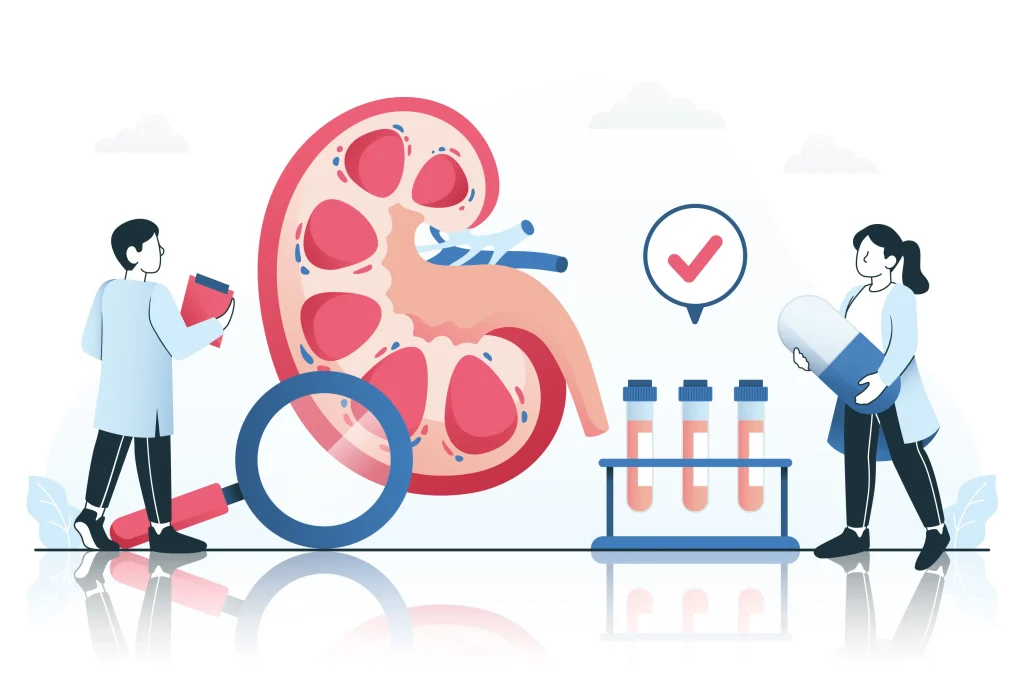
Treatment options for kidney cancer vary significantly depending on the stage of the disease, overall patient health, and tumor characteristics. Here is a detailed overview of treatment modalities by stage, emphasizing the expertise provided by the Best Uro Oncologist in Medinipur, Dr. Suman Sahoo.
Early Stages (Stage 1 and 2)
- Surgery:
The primary treatment is surgical removal of the tumor or kidney.- Partial nephrectomy (removal of tumor and part of kidney) is preferred when feasible, preserving kidney function.
- Radical nephrectomy (removal of the entire kidney) is done for larger tumors confined to the kidney.
- Ablative Therapies:
Options like cryotherapy or thermal ablation (microwave or radiofrequency) may be used in selected patients, especially those unfit for surgery. - Active Surveillance:
In specific cases (small tumors, elderly or frail patients), careful monitoring without immediate treatment may be an option. - Adjuvant Immunotherapy:
After surgery, immunotherapy such as pembrolizumab may be given to reduce recurrence risk.
Locally Advanced Kidney Cancer (Stage 3)
- Surgery:
Radical nephrectomy with removal of affected lymph nodes and possibly adrenal gland and surrounding tissue is common.
In some cases, partial nephrectomy may be considered. - Systemic Therapy:
Immunotherapy and targeted therapy drugs are often used as adjuvant treatment after surgery to prevent relapse. - Radiation Therapy:
Though less common, radiation may help in controlling local disease or symptom relief.
Advanced or Metastatic Kidney Cancer (Stage 4)
- Systemic Therapies:
- Targeted therapies that block cancer growth pathways.
- Immunotherapy drugs that enhance the immune system’s ability to attack cancer cells.
- Surgery:
- Radical nephrectomy may be performed in select patients with limited metastasis to reduce tumor burden (cytoreductive nephrectomy).
- Ablative Treatments and Radiation:
Used for metastases control or symptom relief. - Supportive Care:
Focuses on quality of life and symptom management alongside active treatments, including palliative care if necessary.
Personalized Care Approach
As the Best Uro Oncologist in Medinipur, Dr. Suman Sahoo evaluates each patient individually to determine the optimal combination of surgery, systemic therapies, and supportive care based on cancer stage, patient comorbidities, and treatment goals. Advances in immunotherapy and targeted drugs have significantly improved outcomes, especially for advanced kidney cancer.
This staged-based treatment strategy maximizes chances of cure or control while preserving kidney function and quality of life, demonstrating the importance of expert oncological care in kidney cancer management.
Living with and Beyond Kidney Cancer
Recovering from kidney cancer involves not only physical healing but also emotional and psychological support. Regular follow-ups, a healthy diet, hydration, and avoiding smoking are key to preventing recurrence.
As the Best Uro Oncologist in Medinipur, I emphasize holistic care—addressing both the medical and emotional aspects of the patient’s journey.
When to See a Uro Oncologist
If you experience persistent blood in urine, flank pain, or unexplained fatigue, it’s essential to seek medical attention promptly. Early consultation with the Best Uro Oncologist in Medinipur can make a life-saving difference through timely diagnosis and treatment.

FAQ
1. What are the main risk factors for kidney cancer?
Common risk factors include smoking, obesity, high blood pressure, family history of kidney cancer, and long-term dialysis. Exposure to certain chemicals and genetic conditions can also increase the risk.
2. How can kidney cancer be detected early?
Kidney cancer can be detected through imaging tests like ultrasound, CT scan, or MRI, along with urine and blood tests. Regular screenings are especially important for those with high-risk factors.
3. What are the common symptoms of kidney cancer?
Symptoms may include blood in urine, back or side pain, unexplained weight loss, fatigue, and a lump in the abdomen. However, early stages often show no symptoms, so routine checkups are vital.
4. What are the treatment options for kidney cancer?
Treatment options include surgery (partial or radical nephrectomy), targeted therapy, immunotherapy, and radiation therapy. The choice depends on the stage of the cancer and the patient’s overall health.
5. Who should I consult for kidney cancer treatment?
You should consult a Uro Oncologist—a specialist in urinary and genital cancers. Dr. Suman Sahoo, the Best Uro Oncologist in Medinipur, offers expert diagnosis and personalized treatment plans for kidney cancer.
Conclusion
Kidney Cancer is a serious but treatable condition, especially when detected early. Awareness of risk factors, regular screening, and advanced treatment options can significantly improve survival and quality of life.
As the Best Uro Oncologist in Medinipur, my goal is to provide comprehensive, compassionate, and evidence-based care to every patient battling kidney cancer. Remember — early detection is your best protection.
Recent Posts


Should You Get a PSA Test Before It’s Too Late?
February 24, 2026