
Immunotherapy vs Chemotherapy in Bladder Cancer: What’s Right for You?
Hello Reader!
Welcome to the blog page of Dr. Suman Sahoo, the best Uro Oncologist in Medinipur.
Bladder cancer is one of the most common urological cancers, and with medical advancements, patients today have more treatment options than ever before. Two of the most widely discussed approaches are Immunotherapy vs Chemotherapy. Choosing the right treatment depends on multiple factors such as cancer stage, overall health, and individual response to therapy. As the Best Uro Oncologist in Medinipur, Dr. Suman Sahoo aims to help patients understand these options clearly so they can make informed decisions.
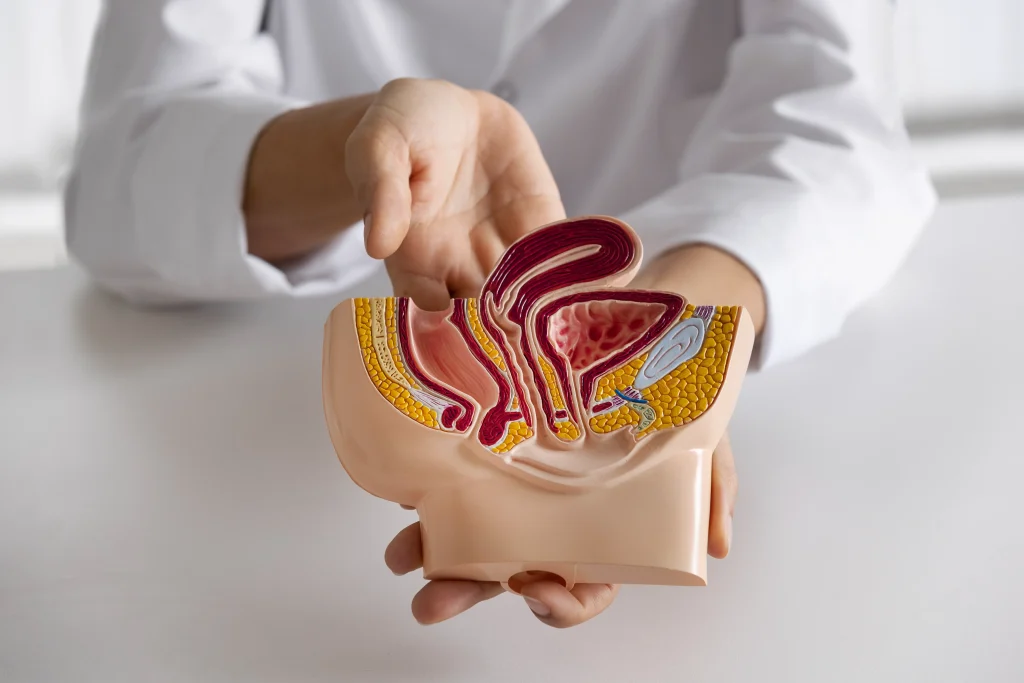
Understanding Bladder Cancer Treatment
Bladder cancer originates in the lining of the bladder and can range from non-muscle invasive to advanced metastatic disease. Treatment strategies are designed to:
- Control tumor growth
- Prevent recurrence
- Improve survival and quality of life
The debate of Immunotherapy vs Chemotherapy arises because both treatments work in fundamentally different ways.
What Is Chemotherapy?
Chemotherapy uses powerful drugs to kill rapidly dividing cancer cells.
How Chemotherapy Works
- Directly attacks cancer cells
- Can be given intravenously or directly into the bladder (intravesical chemotherapy)
- Often used before or after surgery
Benefits of Chemotherapy
- Effective for aggressive and fast-growing tumors
- Reduces tumor size before surgery
- Widely available and well-studied
Limitations of Chemotherapy
- Affects healthy cells along with cancer cells
- Common side effects include nausea, hair loss, fatigue, and low immunity
- Not all patients respond equally
In the comparison of Immunotherapy vs Chemotherapy, chemotherapy is often chosen for patients who need rapid tumor control.

What Is Immunotherapy?
Immunotherapy boosts the body’s own immune system to fight cancer.
How Immunotherapy Works
- Helps immune cells recognize and destroy cancer cells
- Includes treatments like BCG therapy and immune checkpoint inhibitors
- Particularly useful in recurrent or advanced bladder cancer
Benefits of Immunotherapy
- More targeted approach
- Fewer side effects compared to chemotherapy
- Long-lasting immune memory in some patients
Limitations of Immunotherapy
- Response may take longer
- Not effective for everyone
- Can cause immune-related side effects
When discussing Immunotherapy vs Chemotherapy, immunotherapy is often preferred for long-term disease control and recurrence prevention.

Immunotherapy vs Chemotherapy: Key Differences
| Aspect | Chemotherapy | Immunotherapy |
| Target | Cancer cells directly | Immune system |
| Speed of action | Faster | Gradual |
| Side effects | More severe | Generally milder |
| Long-term benefit | Limited | Potentially long-lasting |
| Suitability | Aggressive cancers | Recurrent or resistant cancers |
Which Treatment Is Right for You?
Choosing between Immunotherapy vs Chemotherapy depends on:
- Stage and grade of bladder cancer
- Previous treatments and response
- Overall health and immune status
- Patient preferences and lifestyle
An experienced specialist plays a crucial role here. Consulting the Best Uro Oncologist in Medinipur ensures that every treatment plan is personalized and evidence-based.
Also Read: Robotic, Laparoscopic, or Open Surgery: What’s Best for You?
Can Immunotherapy and Chemotherapy Be Used Together?
Yes. In some cases, a combination approach is recommended:
- Chemotherapy to reduce tumor burden
- Immunotherapy to prevent recurrence
This combined strategy has shown promising results in advanced bladder cancer cases when supervised by the Best Uro Oncologist in Medinipur.
Bladder cancer staging and its impact on treatment choices
Bladder cancer staging uses the TNM system to classify tumors by size (T), lymph node involvement (N), and metastasis (M), guiding precise treatment from localized to advanced disease. Stages range from Ta (non-invasive papillary) and Tis (carcinoma in situ) in non-muscle-invasive bladder cancer (NMIBC, ~75% of cases) to T2-T4 in muscle-invasive bladder cancer (MIBC), and M1 for metastatic.
NMIBC Treatment Approaches
For low-risk NMIBC (Ta low-grade), transurethral resection of bladder tumor (TURBT) suffices, often with single intravesical chemotherapy like mitomycin C to prevent recurrence. High-risk NMIBC (T1 high-grade, Tis) shifts to Bacillus Calmette-Guérin (BCG) immunotherapy, reducing progression by 37% versus chemotherapy alone. Failure prompts cystectomy or systemic options.
MIBC and Surgical Integration
MIBC (T2-T4a, N0) favors neoadjuvant chemotherapy (e.g., cisplatin-gemcitabine) before radical cystectomy, boosting 5-year survival by 5-8% and pathologic complete response in 12-25% of cases. Immunotherapy emerges in perioperative settings for cisplatin-ineligible patients, per 2025 NCCN guidelines.
Metastatic Disease Strategies
Stage IV (M1) prioritizes systemic therapy: first-line platinum-based chemotherapy for fit patients, with immunotherapy (PD-1/PD-L1 inhibitors) preferred second-line or first-line if PD-L1 positive or unfit for chemo, offering a median survival of 14-21 months. Combinations like enfortumab vedotin with pembrolizumab outperform chemo alone.
How immune checkpoint inhibitors target bladder tumors
Immune checkpoint inhibitors (ICIs) target proteins on T cells and tumor cells that act as brakes on the immune system, enabling cytotoxic T cells to recognize and destroy bladder cancer cells. In bladder tumors, cancer cells often overexpress PD-L1, which binds to PD-1 on T cells, sending inhibitory signals that exhaust T cells and allow tumor evasion. Drugs like pembrolizumab (anti-PD-1) or atezolizumab (anti-PD-L1) block these interactions, restoring T-cell activation, proliferation, and cytokine release for targeted tumor killing.
PD-1/PD-L1 Pathway Mechanism
PD-1 receptors on activated T cells bind PD-L1 on bladder tumor cells or antigen-presenting cells, triggering phosphatases that dampen T-cell signaling and promote apoptosis. ICIs disrupt this axis: anti-PD-1 antibodies prevent ligand binding, while anti-PD-L1 agents mask the ligand, both reinvigorating CD8+ T cells to infiltrate the tumor microenvironment. This leads to granzyme and perforin release, inducing cancer cell death without direct cytotoxicity.
CTLA-4 inhibitors like ipilimumab complement by blocking early T-cell inhibition in lymph nodes, enhancing priming and clonal expansion against bladder antigens.

Clinical trial results comparing survival rates
Clinical trials demonstrate comparable overall survival (OS) between immunotherapy and chemotherapy in advanced bladder cancer, with immunotherapy offering better tolerability and durability in select subgroups. Key studies like KEYNOTE-045 showed pembrolizumab (immunotherapy) achieving median OS of 10.3 months versus 7.4 months for chemotherapy (paclitaxel, docetaxel, vinflunine), with a hazard ratio (HR) of 0.73 (p<0.001). IMvigor211 reported atezolizumab yielding 8.8 months OS versus 8.0 months for chemo (HR 0.95), though only significant in PD-L1-high patients.
First-Line Metastatic Comparisons
In first-line metastatic urothelial cancer, cisplatin-ineligible patients in the JAVELIN Bladder 100 trial saw durvalumab plus gemcitabine-cisplatin extend OS to 21.4 months versus 17.1 months for chemo alone (HR 0.69). EV-302 trial combined enfortumab vedotin (antibody-drug conjugate) with pembrolizumab, achieving 31.5 months median OS versus 16.1 months for chemo (HR 0.47), establishing a new standard. CheckMate 901 with nivolumab plus chemo improved OS to 21.7 months from 18.9 months (HR 0.78).
Subgroup and Progression-Free Survival
PD-L1-positive patients favor immunotherapy, with KEYNOTE-361 showing pembrolizumab OS HR 0.64 in high expressors versus 1.05 overall. Progression-free survival (PFS) often mirrors OS trends, but immunotherapy excels in long-term responders (12-month OS rates 43% vs 30% for chemo). As the Best Uro Oncologist in Medinipur, Dr. Suman Sahoo interprets these results for personalized immunotherapy vs chemotherapy plans.
Application in Bladder Cancer
In metastatic urothelial carcinoma, ICIs excel post-chemotherapy, with response rates up to 23% in PD-L1-high tumors via trials like IMvigor210. They reshape the immunosuppressive tumor microenvironment by reducing T-cell exhaustion and modulating macrophages. As the Best Uro Oncologist in Medinipur, Dr. Suman Sahoo leverages biomarkers like PD-L1 expression for immunotherapy vs chemotherapy selection.
Common side effects and management strategies for each therapy
Chemotherapy for bladder cancer commonly causes nausea, vomiting, fatigue, hair loss, low blood counts leading to infection risk, mouth sores, and neuropathy, often managed with antiemetics like ondansetron, growth factors for neutrophils, and dose adjustments. Immunotherapy side effects include fatigue (up to 60%), rash, diarrhea, itching, and immune-related issues like pneumonitis or colitis, typically handled with topical steroids, antidiarrheals, or corticosteroids for severe cases.
Chemotherapy Management Strategies
Supportive care for chemo involves hydration to prevent kidney damage from cisplatin, anti-nausea regimens, and blood transfusions if anemia develops. Prophylactic antibiotics reduce infection rates, while neuropathy may require gabapentin; regular monitoring ensures early intervention. Dr. Suman Sahoo, Best Uro Oncologist in Medinipur, tailors these during immunotherapy vs chemotherapy planning.
Immunotherapy Side Effects and Handling
Fatigue and skin reactions in immunotherapy respond to rest and moisturizers, while gastrointestinal symptoms use loperamide; endocrine disruptions like thyroiditis need hormone replacement. Severe immune adverse events (10-15% incidence) demand prompt steroids or immunosuppressants, with patient education on symptom reporting critical. The Best Uro Oncologist in Medinipur monitors closely for immunotherapy vs chemotherapy tolerability.

Patient quality of life outcomes post-treatment
Immunotherapy generally preserves better quality of life (QoL) post-treatment in bladder cancer patients compared to chemotherapy, with lower rates of severe symptoms and faster recovery. Trials like KEYNOTE-045 reported sustained EORTC QLQ-C30 scores for pembrolizumab users versus declines in chemotherapy arms, driven by fewer treatment discontinuations (13% vs 21%). Long-term survivors on immunotherapy maintain physical functioning and reduced fatigue beyond 12 months.
Chemotherapy Impact on Daily Living
Chemotherapy induces acute QoL deterioration from nausea (70%), fatigue (60%), and neuropathy, with recovery taking 3-6 months post-cycle; however, neoadjuvant use before cystectomy improves survival without permanent deficits in most. Ostomy-related adjustments post-cystectomy affect 20-30% emotionally, managed via counseling.
Immunotherapy Advantages and Monitoring
Immunotherapy patients experience milder fatigue and skin issues resolving within weeks, with immune-related events (10%) rarely permanent; PROMISE trial data show superior global health status at 6 months. Bladder preservation in NMIBC immunotherapy (e.g., BCG) upholds sexual and urinary function better than cystectomy paths. Dr. Suman Sahoo, Best Uro Oncologist in Medinipur, tracks QoL via validated scales during immunotherapy vs chemotherapy follow-up.
Why Early Expert Consultation Matters
Early diagnosis and expert guidance significantly improve outcomes in bladder cancer. With advancements in Immunotherapy vs Chemotherapy, treatment is no longer one-size-fits-all. Personalized care can improve survival and quality of life.
Dr. Suman Sahoo, recognized as the Best Uro Oncologist in Medinipur, offers comprehensive bladder cancer management using the latest evidence-based protocols.

FAQ
1. What is the main difference between immunotherapy and chemotherapy in bladder cancer?
Chemotherapy directly kills cancer cells, while immunotherapy helps the body’s immune system recognize and fight cancer cells.
2. Which treatment has fewer side effects—immunotherapy or chemotherapy?
Immunotherapy generally has fewer and milder side effects than chemotherapy, though reactions vary from patient to patient.
3. When is chemotherapy commonly used in bladder cancer?
Chemotherapy is often used before surgery (neoadjuvant), after surgery (adjuvant), or for advanced and metastatic bladder cancer.
4. Who is a good candidate for immunotherapy in bladder cancer?
Patients with advanced or recurrent bladder cancer, especially those who cannot tolerate chemotherapy, may benefit from immunotherapy.
5. Can immunotherapy and chemotherapy be used together?
Yes, in some cases, both treatments are combined to improve outcomes, depending on the stage of cancer and patient health.
Conclusion
The choice between Immunotherapy vs Chemotherapy is a critical decision in bladder cancer treatment.
While chemotherapy offers rapid tumor control, immunotherapy provides a targeted and often better-tolerated option. The best approach depends on individual medical factors and expert evaluation. For the best treatment, you can refer to Dr. Suman Sahoo.
Recent Posts


Should You Get a PSA Test Before It’s Too Late?
February 24, 2026